Looking to own a fried chicken franchise?
Book your store now and take advantage of a limited-time promotion offering a free cloud kitchen brand. Act fast and secure your own fried chicken franchise today!"
GET FRANCHISE
Welcome to HFC
WELCOME TO HFC
Chicken buying everyday from local market.
After inspecting every pieces marinating with special spices, then hand breaded .
Frying at 170°c to get perfect taste.

About Us
ABOUT HFC
Hot fried chicken are one of the trendiest western food brands in India. Started off in Bangalore.
It serves a wide variety of Fried Chicken, Chicken Wings, Chicken Hot Wings, Pizza, Burgers, Lollipops.
OUR VISION
In India and overseas, our brand's primary vision is to become the leading western food destination in the world by offering world-class food and establishing these miniature amazing-looking units.
OUR MISSION
Fried wings is our mission to provide the
best food, service, and ambiance for life's special moments
OUR VALUES
We strive to provide our customers with fresh and tasty food as well as a fun-filled dining experience.
Providing guests with a safe, clean, and enjoyable environment
EAT HEALTHY, EAT FRESH
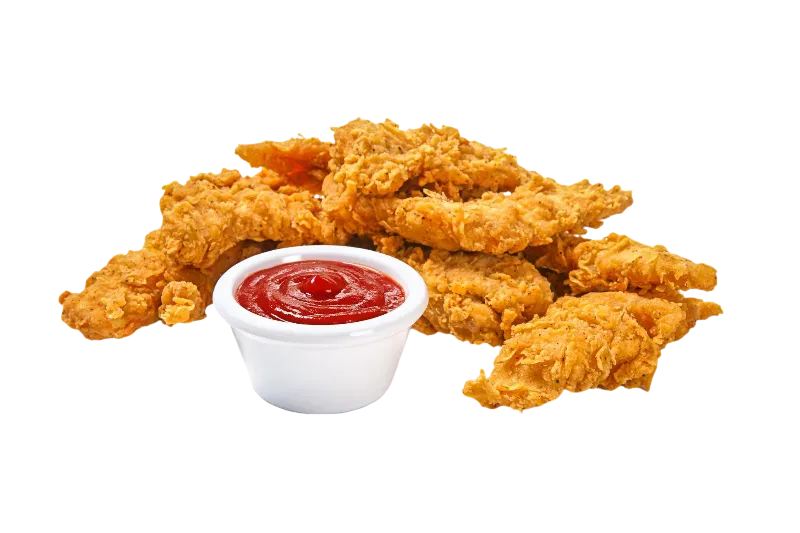
India's hot fried chicken offers the freshest food. Our oil-free food is prepared with chicken that comes from only select vendors. Prior to accepting any batch of chicken, we perform stringent quality checks. As a result, Hot Fried Chicken India's food items are of the highest quality, offering the best nutrition.
There is no better food than hot fried chicken India. Our oil-free food is prepared with chicken procured from only select vendors. Before accepting any batch of chicken, we conduct stringent quality checks. All food items that Hot fried chicken India serves to you are of the highest quality, providing the highest level of nutrition.
Hot fried chicken
HFC
Chicken That Is 100% Real
Fresh chicken from the local market, no frozen chicken. Chicken fried in hot oil

Inspection
Each piece of chicken is inspected before marinating. Fried chicken oil that's hot

The Oil Used Is 100% Fresh
When frying, do not add Ajinomoto

Cooking To Perfection
Hands-on techniques, special spices, perfect blends. Distancing yourself from others

Distancing Hygiene In The Workplace
Maintain 100% hygienic conditions when cooking, cleaning machines, & encouraging social distance

Easy On The Pocketbook Pocket Friendly
For the common man, our prices are pocket-friendly
MENU
MENU
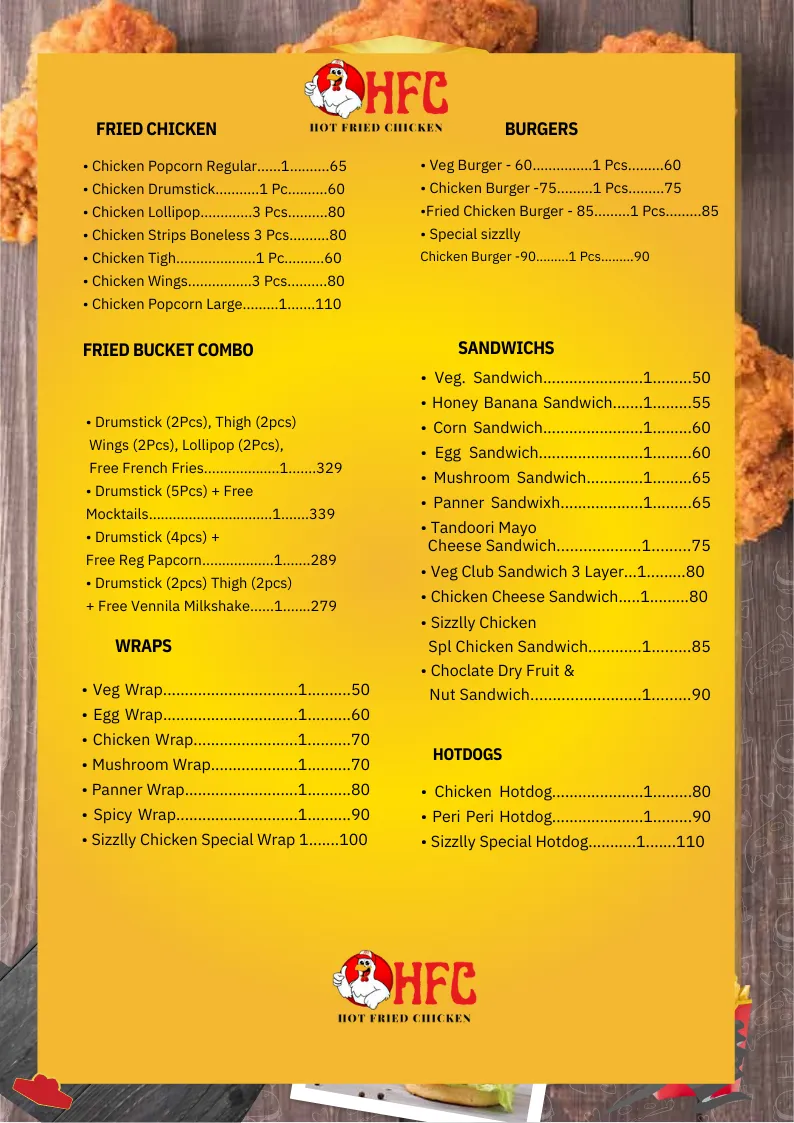
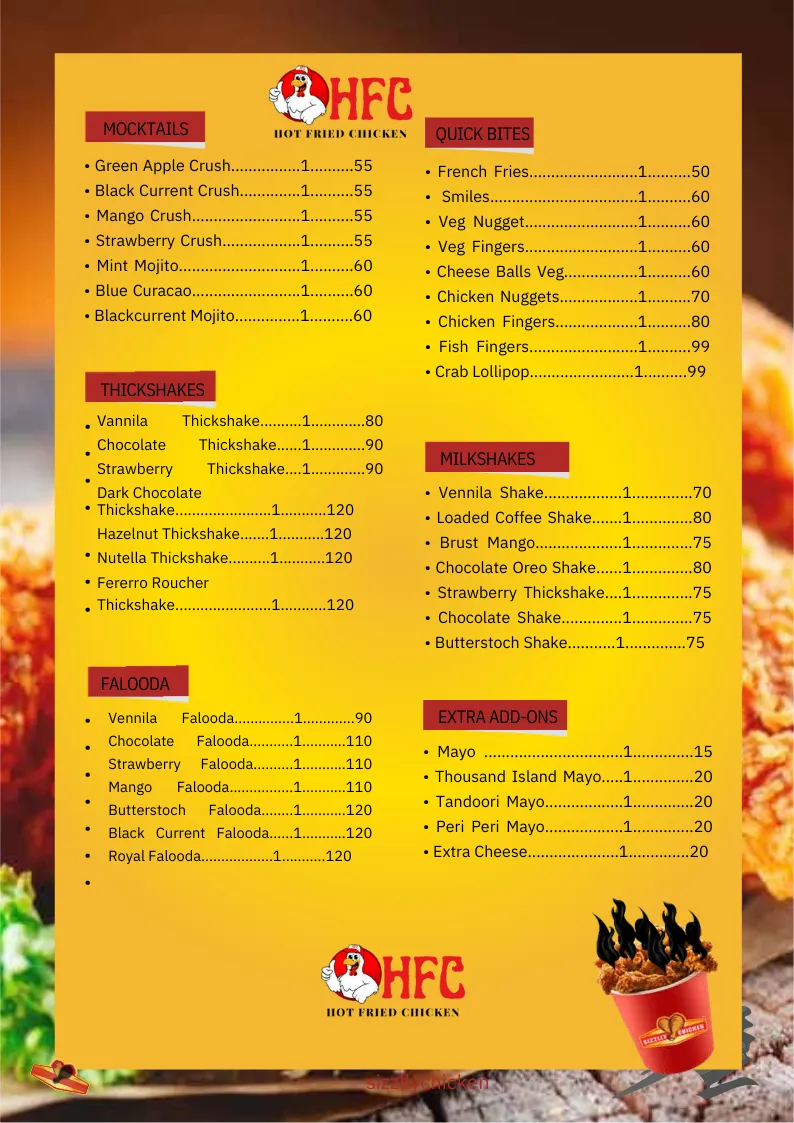
We are proud
to serving for you
Gallery
FAQ's
What sets Hot Fried Chicken apart from other franchises?
At Hot Fried Chicken, we take quality, taste, and store ambiance very seriously. Our corporate chefs carefully craft every ingredient using delicious and handpicked herbs and spices. This attention to detail makes our stores truly unique.
Are the meats used at Hot Fried Chicken processed?
No, we do not use processed meats in our recipes. We handpick fresh meats from the butcher house on a daily basis.
How can entrepreneurs learn more about Hot Fried Chicken's franchise program?
Entrepreneurs can reach out to us by filling out the form on the Hot Fried Chicken website. Once we receive the inquiry, our executives will reach out to the customer to provide detailed onboarding procedures.
What options do franchisees have for owning their own Hot Fried Chicken outlet?
Hot Fried Chicken offers three franchise variants: Gold, Platinum, and Diamond. Our business experts will explain the details of each variant over the phone.
What is the minimum space required to operate a Hot Fried Chicken franchise store?
The minimum requirement to operate a Hot Fried Chicken franchise store is 150 square feet. However, store size can be scaled up based on local market demand.
Is experience in the restaurant industry required to manage a Hot Fried Chicken franchise store?
No, experience in the restaurant industry is not necessary to run a Hot Fried Chicken franchise store. Our unique POS (billing) and inventory software make store operations and maintenance easy.
What kind of support and training does Hot Fried Chicken provide to franchisees?
Hot Fried Chicken provides end-to-end support, including store location selection, interior and exterior design, kitchen training, store opening promotions, 360-degree brand promotion, day-to-day operation training, inventory management, and maintenance. Additionally, franchisees receive 365 days of after-sales support.
Testimonials
People Love Us
"I've tried a lot of fried chicken in my life, but Hot Fried Chicken's recipe is hands down the best. The combination of handpicked herbs and spices creates a flavor explosion in every bite. Plus, the meat is always fresh and juicy, never dry or greasy. I can't get enough!"
Zahra Butt

"I'm not typically a fan of fast food, but Hot Fried Chicken is a game-changer. The quality of the food is evident from the first bite. It's clear that Hot Fried Chicken takes the time to use fresh, high-quality ingredients and craft them with care. I feel good about feeding this to my family, and they love it too!"
Vishnu
I'm a foodie, and I'm always on the hunt for the next great dish. Hot Fried Chicken exceeded my expectations in every way. The breading is perfectly crispy and the meat is tender and flavorful. I love that Hot Fried Chicken offers a range of spice levels, so I can customize my order to my taste. This is hands down the best fried chicken I've ever had."
Priya
BLOGS
BLOGS
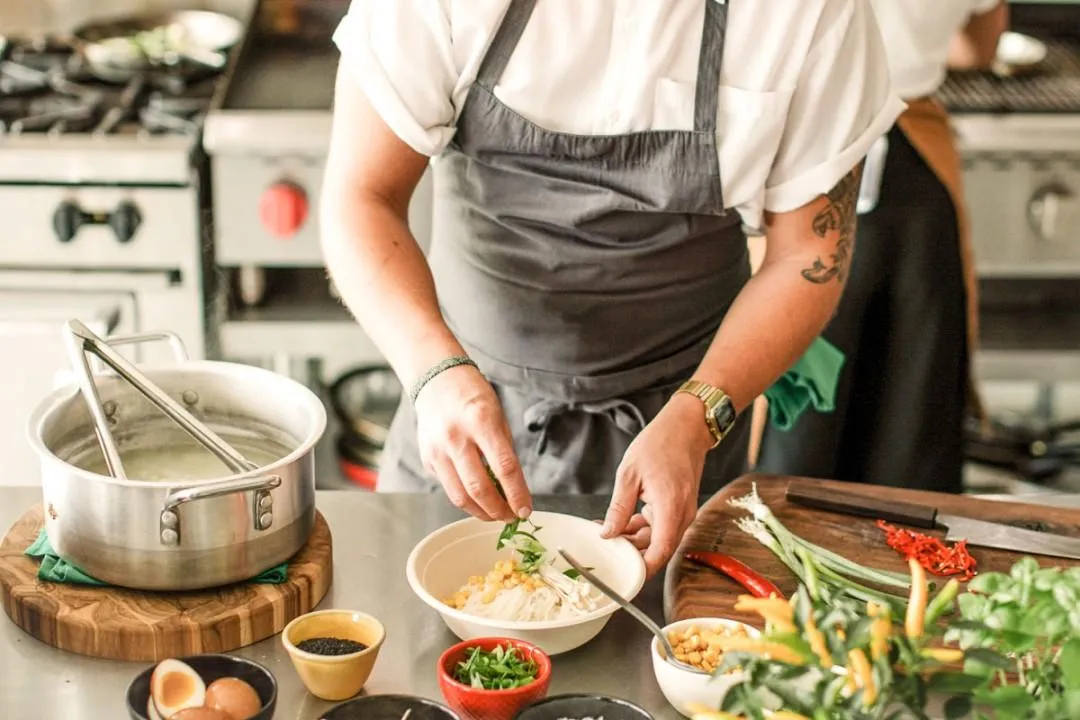
Revolutionising the Food Industry in India with Cloud Kitchens
Revolutionising the Food Industry in India with Cloud Kitchens
Introduction
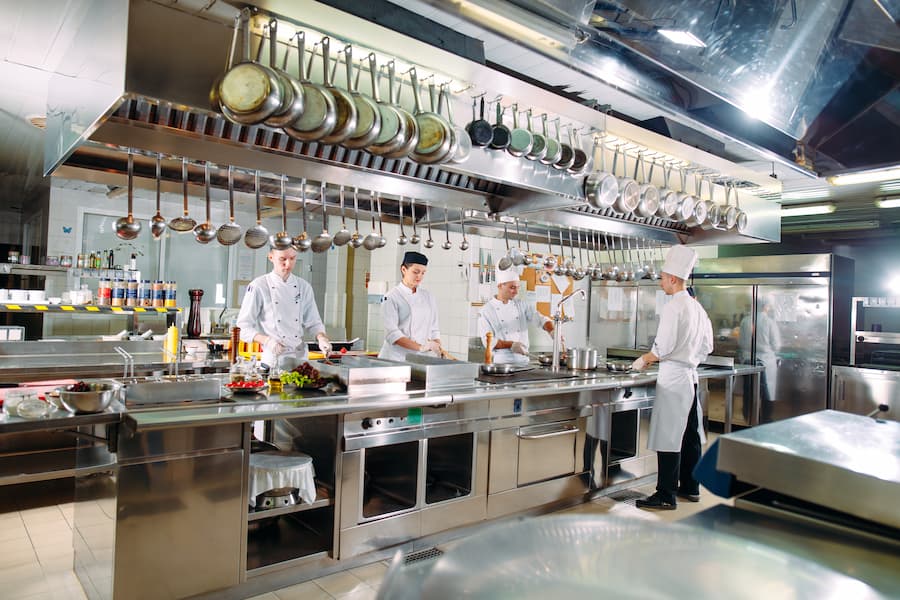
Imagine running a successful restaurant without the high costs of rent, elaborate dining spaces, or extensive staff. Sounds like a dream, right? Enter the world of cloud kitchens – a groundbreaking concept transforming the food industry in India. This post will explore why cloud kitchens are a boon for food entrepreneurs, shedding light on how they operate, their benefits, and their future potential.
Understanding Cloud Kitchens
Cloud kitchens, also known as ghost kitchens or dark kitchens, are commercial cooking spaces set up to prepare food specifically for delivery. Unlike traditional restaurants, they do not offer dine-in services, focusing solely on fulfilling online orders. The concept has evolved rapidly, driven by the surge in online food delivery platforms and changing consumer preferences.
Definition and Evolution
Initially, cloud kitchens were simple setups designed to meet the rising demand for home-delivered meals. Over time, they have evolved into sophisticated operations leveraging cutting-edge technology and data analytics to optimize performance. The pandemic further accelerated their growth, as lockdowns and social distancing norms boosted the demand for delivered meals.
Key Players in the Cloud Kitchen Market in India
India's cloud kitchen market is bustling with activity, featuring major players like Swiggy, Zomato, and Rebel Foods. These companies provide infrastructure and technological support to food entrepreneurs, helping them scale their businesses efficiently. Smaller startups and independent food businesses are also entering the fray, making the market more dynamic and competitive.
How Cloud Kitchens Operate and Differ from Traditional Restaurants
Cloud kitchens operate out of shared commercial spaces equipped with essential kitchen appliances and tools. They rely heavily on online platforms to receive orders, which are then prepared and delivered directly to customers. This model drastically reduces overhead costs, allowing food entrepreneurs to focus on quality and innovation rather than worrying about high rents and utility bills.
The Boon for Food Entrepreneurs
Cloud kitchens present a unique opportunity for food entrepreneurs to thrive in a competitive market. Let's look at some real-life case studies to understand their impact better.
Case Study Swiggy Access Kitchens
Swiggy's Access Kitchens initiative has been a game-changer for local food entrepreneurs. By providing ready-to-use kitchen spaces, Swiggy enables entrepreneurs to expand their reach without the burden of setting up new outlets. According to Swiggy, businesses using Access Kitchens have seen a significant increase in orders, leading to improved operational efficiency and reduced costs.
Case Study Rebel Foods
Formerly known as Faasos, Rebel Foods is a testament to the global potential of cloud kitchens. With over 1500 internet restaurants across multiple countries, Rebel Foods showcases how cloud kitchens can scale operations and reach a global audience. Their multi-brand approach allows them to cater to diverse customer preferences, making them a leader in the cloud kitchen space.
Case Study Zomato Infrastructure Services
Zomato's cloud kitchen platform plays a crucial role in supporting food entrepreneurs. By offering state-of-the-art infrastructure and technology, Zomato helps businesses improve customer satisfaction and streamline their operations. Entrepreneurs using Zomato's services have reported higher efficiency and better customer engagement, highlighting the platform's value.
Real-life Impacts on Entrepreneurs
Cloud kitchens have enabled numerous food entrepreneurs to expand their businesses, save costs, and improve operational efficiency. The ability to test new concepts and menus without significant financial risk has empowered many to innovate and diversify their offerings. Additionally, the lower entry barriers make it easier for aspiring entrepreneurs to enter the food industry and compete with established players.
Technological Advancements and Operations
Technology is at the heart of cloud kitchens' success, driving efficiency and enhancing customer experience. Insights from industry experts shed light on the pivotal role of technology in this space.
IInsights from Deepinder Goyal and Ankit Mehrotra on the Role of Technology
Deepinder Goyal, founder of Zomato, emphasizes the importance of integrating technology into every aspect of food delivery operations. He believes that data analytics and AI are crucial for optimizing performance and staying competitive. Ankit Mehrotra, co-founder of Dineout, echoes this sentiment, highlighting how technology can streamline ordering and delivery processes, making operations more efficient.
Importance of Data Analytics and AI in Food Delivery Operations
Data analytics and AI play a significant role in enhancing food delivery operations. By analyzing customer preferences and order patterns, businesses can make informed decisions about menu offerings and marketing strategies. AI-powered tools help in inventory management, ensuring that ingredients are stocked efficiently and reducing food waste.
Streamlining the Ordering and Delivery Processes
Advanced technology solutions help food delivery services streamline their ordering and delivery processes. Integration with delivery platforms ensures seamless order management, while real-time tracking systems provide customers with updates on their orders. This not only improves operational efficiency but also enhances customer satisfaction.
Challenges and Opportunities
While cloud kitchens offer numerous benefits, they also face certain challenges. However, these challenges present opportunities for growth and innovation.
Challenges Faced by Cloud Kitchens in India
One of the primary challenges for cloud kitchens is maintaining consistent quality across multiple locations. Ensuring food safety and hygiene standards is critical, especially when scaling operations. Additionally, competition in the market is fierce, and standing out requires continuous innovation and marketing efforts.
Opportunities for Growth and Innovation
Despite the challenges, the potential for growth in the cloud kitchen industry is immense. There are opportunities to experiment with new cuisines, leverage emerging technologies, and expand into untapped markets. Collaborations with tech companies and delivery platforms can further enhance operational capabilities and customer reach.
Future Predictions for the Cloud Kitchen Industry
The future of cloud kitchens looks promising, with continued advancements in technology and changing consumer preferences driving growth. Industry experts predict that cloud kitchens will become more sophisticated, with increased automation and AI integration. The focus will likely shift towards hyper-personalization, offering customers tailored dining experiences.
The Economic and Environmental Impact
Cloud kitchens have a notable impact on both the economy and the environment.
Economic Contributions of Cloud Kitchens
By reducing the capital required to start and run a food business, cloud kitchens contribute significantly to the economy. They create job opportunities, stimulate local food production, and support various ancillary industries. The lower operational costs also allow food entrepreneurs to offer competitive prices, attracting more customers and driving economic growth.
Environmental Benefits through Reduced Food Waste and Energy Consumption
Cloud kitchens are inherently more sustainable than traditional restaurants. Their efficient inventory management systems minimize food waste, while shared kitchen spaces reduce energy consumption. Additionally, by optimizing delivery routes, cloud kitchens can lower their carbon footprint, contributing to a greener environment.
Conclusion
Cloud kitchens are revolutionizing the food industry in India, offering unparalleled opportunities for food entrepreneurs. By leveraging technology, reducing costs, and fostering innovation, they enable businesses to thrive in a competitive market. For entrepreneurs and investors looking to tap into this growing sector, the future holds immense potential.
Expert Insights and Quotes
Travis Kalanick, co-founder of CloudKitchens, underscores the pivotal role of technology, stating, "Integrating technology into every aspect of cloud kitchen operations is crucial for optimizing performance and staying competitive." Mary Biggins, co-founder of MealPal, concurs: "Technology streamlines ordering and delivery processes, making operations more efficient and enhancing customer satisfaction."!
Bill Phelps, co-founder of Wetzel's Pretzels, highlights another advantage: "Cloud kitchens offer a unique opportunity to test new concepts and menus without significant financial risk, empowering entrepreneurs to innovate and diversify their offerings."
By understanding the benefits and challenges of cloud kitchens, Indian food entrepreneurs can make informed decisions and capitalize on this innovative business model. Whether you're an aspiring entrepreneur or an established player in the industry, exploring the potential of cloud kitchens can unlock new avenues for growth and success.
Discover how cloud kitchens can transform your Indian food business and join the revolution today!

Email: info@eatz.store.com
Address
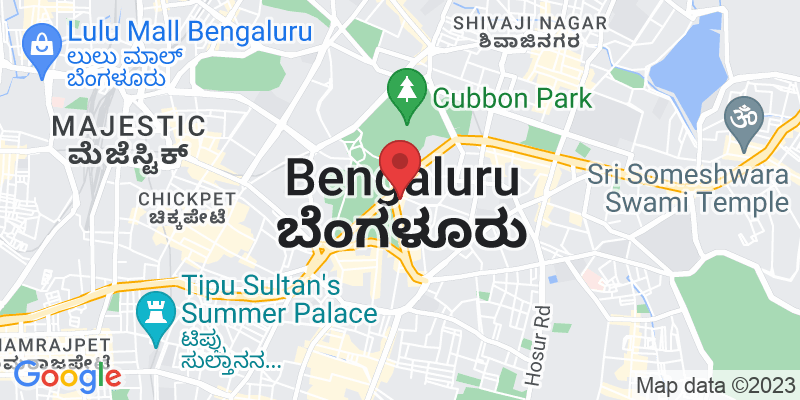
Office: Rajajinagar, Bengaluru
Call : 7019 66 7171